How landscaped sky terraces enhance urban living in high density neighborhoods
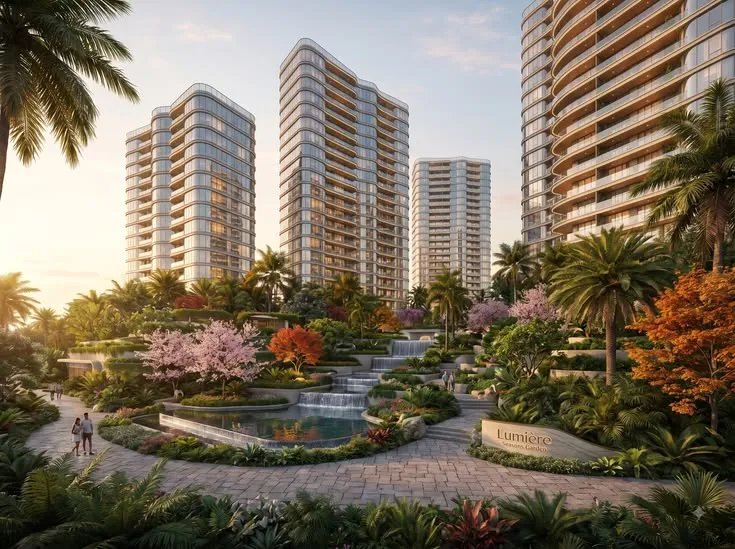
Somewhere above the traffic, a few trees are growing in pots. A woman waters them at dusk while her neighbour reads on a bench. It just happens. Buyers looking at projects such as Langdon Heights now ask about outdoor decks in the sky, and they ask early.
Singapore packs a lot of people into small land. Ground space runs out fast, so green space has started moving upward. A landscaped sky terrace gives residents air, plants and a place to pause. This article looks at how these terraces work and what buyers should check before falling in love with one.
Green Space Without More Land
Land is scarce here. A developer cannot simply add a park. Gardens get stacked on buildings instead, a few floors up. It sounds odd at first. Then you stand on one, and the street noise fades a little. Leaves do that. A thin strip of green still feels like a gift.
For families in condos such as Chencharu Central Residences, a terrace, where one exists, saves a trip to the nearest park. A lift ride is quicker than a bus. Kids burn energy. Parents sit with a cold drink. Nobody has to plan an outing. It adds up.
Cooler Air and Softer Heat
Concrete soaks up sun all day and gives it back at night. Plants do the opposite. They shade surfaces and release moisture. A leafy terrace can feel a few degrees cooler than a bare balcony, though the exact gap depends on the day and the plants. Small mercy in a hot city.
Wind matters too. Tall buildings can trap still air, but an open deck lets breezes slip through. Pair that with trees and benches, and people actually stay outside. Evening walks become possible in months that would otherwise keep everyone indoors. Not magic, just shade and airflow.
A Quiet Place to Reset
High density living is loud. Lifts hum, doors slam, someone drills at nine on Sunday. A terrace gives the mind a break. Research on nature and stress tends to agree, though results vary. Even ten minutes outside can reset a bad day. Ask anyone who works from home.
Good design helps. Planters can block sightlines. Seats can face away from windows. Soft lighting keeps evenings calm without glare. When a terrace feels private, people use it. When it feels like a corridor, they walk past. A bench in the wrong spot sits empty for years.
Neighbours Meet in the Sky
Lifts are bad for chatting. Everyone stares at the numbers. A terrace changes that. People linger, say hello, trade plant tips. A shy neighbour may start with a nod and end with a recipe swap. It takes time, but it happens. Community is built from small moments like these.
Seniors gain a safe, close spot to sit and watch the world. Children make friends without crossing a road. Remote workers get a change of scene. Different people, same bench. That mix is rare in a tall building and worth protecting.
Birds, Bees and Greener Air
Plants bring visitors. Butterflies show up first, then bees, then the odd bird looking for a snack. Native species do best, since they suit the local weather and need less care. Pick flowers that bloom at different times, and the terrace stays lively most of the year.
Green layers also catch some dust and soak up a bit of rain. Water runs off slower, which eases pressure on drains. It will not fix a city, of course. Still, many small gardens together make a real difference, much like many small raindrops fill a tank.
What Buyers Should Look For
Ask about upkeep first. Who waters the plants? Who pays for repairs? Buyers weighing Langdon Heights or any similar project should request the maintenance plan in writing. A lovely terrace turns sad fast when nobody looks after it. Dead pots are a bad look and a bad sign.
Check access hours, safety rails and drainage too. Visit after rain if you can. Is there standing water? Is it shaded or baked? Does noise from the terrace reach nearby bedrooms? A sales gallery model will not answer these, but a site visit usually will.
Conclusion
Sky terraces will not turn a tower into a village. They do help. A little shade, a little quiet, a few new faces in the evening. In crowded neighbourhoods, those small gains matter more than any grand slogan. Fresh air is not a luxury anymore. Honestly, it never was.
For buyers comparing Langdon Heights, Chencharu Central Residences or other projects, treat the terrace as part of daily life, not a brochure picture. Ask who maintains it. Visit at different hours. Then decide if you would really use it. If the answer is yes, it may be the best part of the home.
Key Points
- Singapore has begun to utilize sky terraces for green space due to the scarcity of land.
- Residents benefit from landscaped sky terraces by gaining access to outdoor areas that provide shade and cooler air.
- Terraces foster community interaction among residents, providing a space for socializing and exchanging tips or recipes.
- Plants on terraces attract local wildlife, contributing to biodiversity and improving air quality.
- Potential buyers of properties with sky terraces should inquire about maintenance and accessibility to ensure usability.
- Well-designed terraces can offer a quiet place for residents to relax and alleviate stress in high-density living environments.