Safe and Peaceful Neighborhood Environment Breakdown for Modern Condos
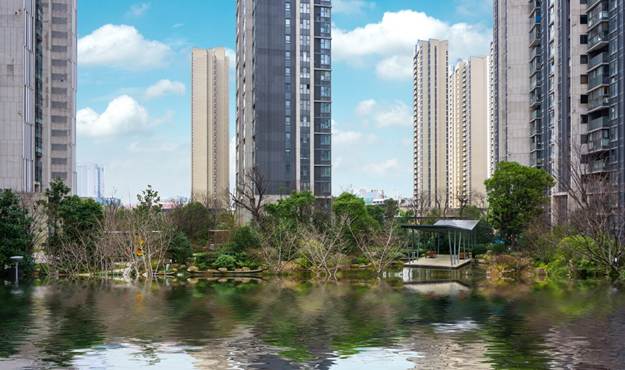
A quiet street say a lot before you ever step inside. Kids ride bikes neighbours nod hello and nobody rush to lock the gate. That calm is hard to fake. Near Linktown Residences, it helps to check how safe and peaceful the area truly feels.
Safety is not one thing. It is lighting, people, design, and a general sense of ease. We will go through six parts of it here. Some you can measure, a few you simply feel. Take a slow walk and keep your eyes open.
What Makes a Place Feel Safe
Safe areas share a few traits. Streets are well lit, buildings face the road, and people are around at most hours. Eyes on the street quietly discourage trouble. Empty, hidden corners do the opposite.
Look at how the area is kept up. Tidy paths and working lamps suggest someone cares. Lentor Signature buyers may want to check official crime figures for the wider district, then compare them with what they see on the ground. Numbers and instinct work best together.
Street Lighting and Night Visibility
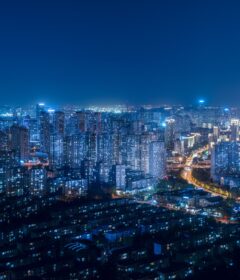
Visit after dark, not only at noon. Bright, even lighting makes a path feel friendly. Dark patches near bus stops or car parks deserve a note. A lamp that flickers tells you something about maintenance.
Check lighting along the shortcuts too, since people use them late at night. Wide footpaths and clear sight lines help as well. Bring a friend if you like. Ten minutes of honest looking will teach you more than any brochure ever could.
Noise Levels and Quiet Hours
Peace is about sound as much as safety. Stand outside at different times and just listen. Traffic hum, construction, loud eateries, and late parties all count. A street that seems calm on Tuesday may roar on Saturday.
Check which way the bedrooms face. A block set back from a main road often sleeps better. Ask residents about noisy spots and how long the sound lasts. Families with babies and early risers may need extra distance from the action.
Community Spirit and Friendly Neighbours
People make a place safe. Neighbours who know each other notice when something looks off. Watch how residents behave in the lift lobby or at the playground. Do they chat, or hurry past?
Community clubs and resident groups help too. Ask about events, clean up days, and shared activities. A friendly block feels warmer on ordinary days. Moving to a new area can feel lonely at first, but an active community softens that quickly.
Security Features and Building Management
Look at the practical side. Gates cameras guards and access cards all add a layer of comfort. Ask how visitors are checked and how parcels are handled. Good systems should feel smooth, not annoying.
Management matters just as much as hardware. Are repairs done quickly? Do staff seem alert and polite? Read recent notices if you can. A well run building usually keeps problems small, and that steady care adds real peace of mind.
Safe Routes for Kids and Elders
Think about the most vulnerable walkers. Children and older relatives need clear crossings, ramps, and calm traffic. Check zebra crossings speed humps and railings near schools and parks.
Test the route at drop off time. Watch how cars behave around little ones. Benches and shaded rest spots help seniors stay active. A neighbourhood built with them in mind tends to be good for everybody, whatever their age.
Low Traffic Density and Calm Street Design
Neighborhood peace depends heavily on the volume and speed of surrounding road traffic. Streets designed with traffic calming features such as wide footpaths speed cushions and clear residential zoning naturally discourage shortcut-seeking drivers and high-speed transit. Lower traffic density not only drastically reduces road safety risks for young children and pet but it also minimizes intrusive engine noise and exhaust fumes. Evaluating road network layouts and peak-hour traffic flow around a residential cluster ensures that your immediate living environment remains a quiet, calm sanctuary throughout the week.
Pedestrian Lighting and Nighttime Visibility
True residential security extends beyond daylight hours into the late evening. Well-lit walkway brightly illuminated bus shelter and clear line of sight street designs allow shift workers student and night owls to walk home with complete confidence. Pay close attention to how streetlamps and pathway lights cover blind spots near park connectors alleyways and parking areas. A neighborhood that prioritize consistent pedestrian lighting creates a welcoming secure atmosphere that discourages crime and ensures residents feel safe stepping outside at any hour.
Conclusion
A safe, peaceful area blends light, quiet, friendly people, and careful management. Maps and statistics give a rough idea, but a night visit shows the real mood. Both sites deserve a walk at different hours.
Listen for noise, note the dark corners, and chat with residents. Compare your findings with the points above, then trust your gut. The best home is one where you can switch off, sleep well, and feel at ease stepping outside.