Transport Upgrades and Residential Value: Why Network Expansion Matters More Than Ever
Singapore’s residential market is closely tied to transport infrastructure. Beyond mere convenience, public transport determines how a neighbourhood connects to the rest of the island—and this connectivity increasingly shapes long-term residential demand. As new MRT lines and station upgrades continue to reshape commuting patterns, the impact on residential desirability is becoming more pronounced.
Transport upgrades don’t just improve access; they redefine how residents live. For many, a new station changes the feasibility of daily routines, work options, and lifestyle choices—making previously overlooked areas more attractive.
Connectivity as a Long-Term Driver
Singapore’s compact geography means that transport connectivity has a direct impact on residential relevance. Areas that are well-connected not only offer easier commutes, but also better access to jobs, schools, and amenities across the island.
As transport networks expand, the definition of “good location” evolves. Areas that were once considered peripheral become more integrated, and residential demand begins to spread beyond traditional hotspots.
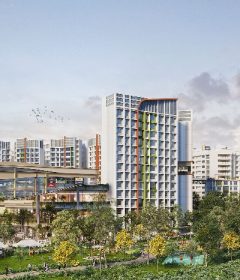
Developments like Hudson Place Residences benefit from this dynamic because transport accessibility remains a key factor in long-term desirability.
The Impact of New MRT Lines
New MRT lines have a ripple effect on surrounding residential districts. They reduce travel times, create new commuting routes, and often bring fresh commercial activity to the area.
For residents, the benefits are practical: shorter journeys, more flexible work options, and easier access to wider city destinations. For investors, new transport links often support demand by broadening the pool of potential tenants and buyers.
This is why transport upgrades can be more influential than short-term market sentiment—they reshape the structural value of a location.
Station Upgrades and Accessibility Improvements
Transport upgrades are not limited to new lines. Station enhancements, such as improved interchange connectivity, better accessibility features, and upgraded bus networks, also influence residential demand.
These improvements make daily travel smoother, particularly for families and older residents. Accessibility upgrades can also increase the appeal of neighbourhoods that were previously underappreciated due to less convenient transport access.
Over time, these enhancements contribute to a more integrated urban environment and support long-term residential relevance.
Reduced Commuting Stress and Lifestyle Flexibility
Improved transport connectivity reduces commuting stress, which has broader implications for lifestyle. When travel becomes more efficient, residents gain time for family, leisure, and personal activities.
This shift supports the trend toward neighbourhood-based living, where residents rely more on local amenities and spend less time in transit. It also increases the appeal of homes that balance accessibility with quiet, liveable surroundings.
In this context, developments such as Dunearn House remain attractive because they are located within mature residential districts that offer both connectivity and neighbourhood stability.
Transport Infrastructure and Rental Demand
Transport upgrades often translate into stronger rental demand. Tenants, especially young professionals and expatriates, prioritise locations with easy access to the city and employment centres.
As commuting patterns evolve, properties near upgraded transport nodes often experience higher demand due to improved convenience and lifestyle flexibility. This demand tends to be more consistent over time, supporting rental stability even during market fluctuations.
For investors, transport-linked residential locations often represent a lower-risk profile due to sustained tenant interest.
Transport-Driven Neighbourhood Evolution
Transport expansion can also reshape neighbourhood character over time. New transport nodes often attract retail and lifestyle amenities, enhancing the overall liveability of the area.
As amenities develop, the neighbourhood becomes more self-sufficient, supporting the concept of decentralised living. This gradual evolution can increase the appeal of surrounding residential developments, reinforcing long-term value.
The Value of Planning Certainty
One advantage of Singapore’s transport expansion is the clarity of planning. Upcoming MRT lines and station upgrades are typically announced well in advance, allowing residents and investors to assess future neighbourhood potential with greater confidence.
This planning certainty supports more informed residential decisions and reduces the risk of unexpected changes in neighbourhood dynamics. As a result, locations near future transport upgrades often experience steady interest, even before the infrastructure is completed.
Conclusion
Transport upgrades are more than infrastructure projects—they are long-term value catalysts that reshape how residents live and move across Singapore. As new MRT lines and station improvements expand connectivity, residential demand is increasingly influenced by network integration rather than proximity to a single location.
Developments such as Hudson Place Residences and Dunearn House demonstrate how transport accessibility continues to support residential relevance in a mature market. As Singapore’s transport network evolves, the most resilient residential locations will be those that combine accessibility, neighbourhood liveability, and long-term planning alignment.